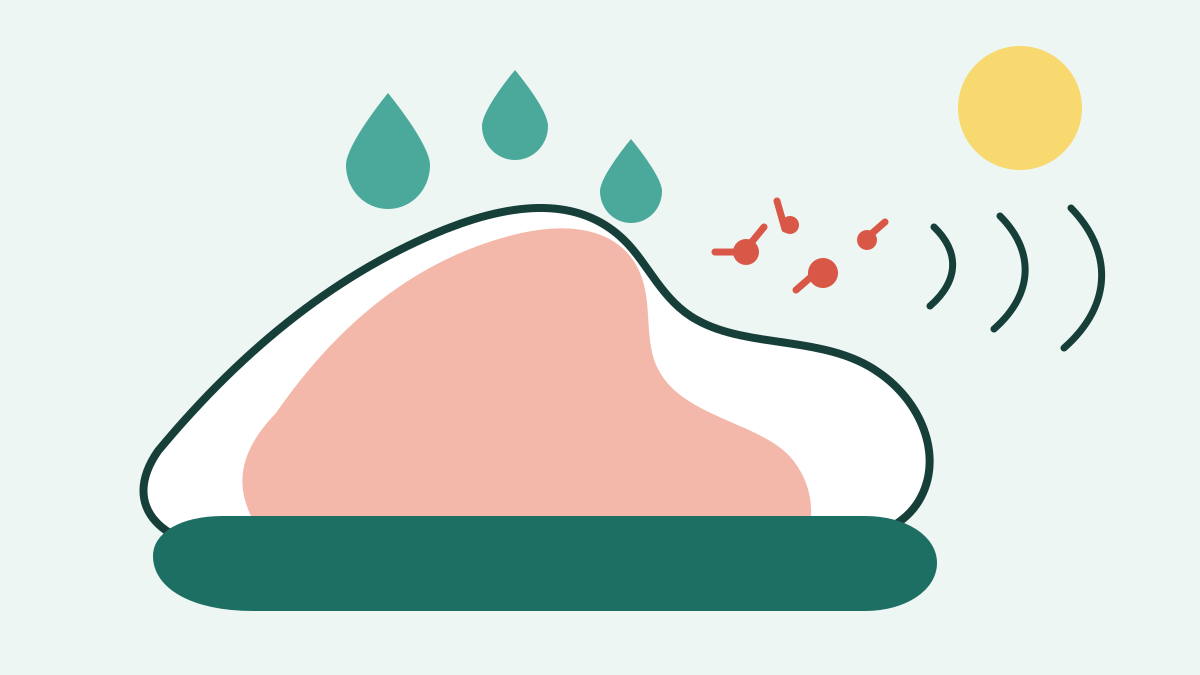
Trapped sweat
Tight or poorly ventilated footwear holds moisture against the skin. People with plantar hyperhidrosis produce more sweat than the foot can readily evaporate.
Foot health guide
A clear guide to the sweat-bacteria cycle, shoe and sock habits, athlete's foot clues, and a practical routine that targets the cause instead of masking the smell.
Smelly feet usually result from sweat staying on the skin and inside footwear long enough for bacteria to produce odor. Shoes that remain damp, infrequent sock changes, heavy sweating, and dead-skin buildup can make the problem worse. A fungal infection such as athlete's foot can also contribute, especially when odor appears with itching, peeling, cracking, or a rash.
Sweat itself is not the whole story. The soles contain many sweat glands, and enclosed shoes slow evaporation. Moisture softens dead skin and creates a warm environment where normal skin bacteria can thrive. As bacteria break down sweat and skin material, they release volatile compounds that produce the familiar sour, cheesy, or musty smell.
That explains why odor often becomes strongest after exercise, a long shift, hot weather, or wearing the same shoes on consecutive days. The underlying problem is usually a combination rather than a single cause.
Tight or poorly ventilated footwear holds moisture against the skin. People with plantar hyperhidrosis produce more sweat than the foot can readily evaporate.
Normal skin bacteria have more material to break down when feet stay damp and thick, hard skin accumulates. This bacterial activity creates odor compounds.
Insoles, foam padding, and work boots can retain moisture overnight. Putting the same pair back on restarts the cycle even after clean feet and fresh socks.
Athlete's foot thrives in warm, moist areas. It may add a musty smell, but itching, scaling, peeling, burning, or cracks are more useful clues than odor alone.
Hot weather, exercise, standing all day, hormonal changes, and some medicines can increase sweating. Do not stop prescribed medicine without speaking to a clinician.
Very strong odor with pits in the soles, tenderness, spreading redness, drainage, or wounds needs assessment because a bacterial or other skin condition may be present.
Odor alone cannot diagnose a condition, but accompanying symptoms can point toward the next sensible step.
| What you notice | What may be contributing | Useful next step |
|---|---|---|
| Odor mainly after work, sport, or hot days; skin otherwise looks normal | Trapped sweat and bacterial buildup | Improve drying, sock changes, and shoe rotation for 1 to 2 weeks. |
| Itching, peeling, scaling, burning, or cracks between the toes | Athlete's foot is possible | Ask a pharmacist or clinician about an appropriate antifungal treatment and follow the label. |
| Feet are noticeably wet even when cool or at rest | Excessive sweating may be involved | Discuss antiperspirant use with a pharmacist; seek care if sweating disrupts daily life. |
| Hot, painful, swollen, spreading red skin, pus, or an open wound | A more serious infection or wound complication is possible | Seek prompt medical advice, especially with diabetes or poor circulation. |

This routine tackles the skin, socks, and shoes together. A clean foot placed into a damp, odor-filled shoe will quickly pick the problem up again.

There is no single best fiber for everyone. Cotton feels comfortable but can remain wet after heavy sweating. Moisture-wicking synthetic blends or wool blends may dry faster. The practical test is simple: if the sock feels damp halfway through the day, carry a fresh pair.
Shoes should not crush the toes or trap excessive heat. Breathable uppers can help, but work and safety requirements come first. When boots are necessary, rotation, removable insoles, and a midday sock change become more important.
Follow the care label. Wash only shoes or insoles designed for washing, and let them dry fully before use. Replace insoles that remain strongly odorous after cleaning or are visibly breaking down. Never mix household cleaning chemicals, and avoid applying harsh disinfectants directly to skin.
| Product type | What it does | Important limit |
|---|---|---|
| Foot powder | Helps absorb moisture and reduce friction. | It does not treat every cause of odor. Avoid breathing in loose powder and follow the label. |
| Deodorant | Reduces or masks odor. | It does not necessarily reduce sweat; fragrance may irritate sensitive or cracked skin. |
| Antiperspirant | Temporarily reduces sweating. Dermatologists may recommend applying suitable products to dry skin at bedtime. | Use a product labeled for the intended area and stop if significant irritation develops. Stronger treatment should be clinician-guided. |
| Antifungal medicine | Treats athlete's foot when a fungal infection is present. | It is not a general odor product. Use the correct formulation for the full labeled course; ask a pharmacist if unsure. |
Arrange a non-urgent appointment if home care has not improved the odor after several weeks, sweating is excessive or suddenly changes, the problem affects daily life, or a suspected fungal infection keeps returning. A clinician can distinguish ordinary sweat-related odor from fungal, bacterial, inflammatory, or sweating disorders.
The odor may remain in damp insoles or shoes, or the skin may not be fully dry between the toes. Wash and dry the feet, put on fresh socks, and use a fully dried pair of shoes. Persistent itching, peeling, or cracking suggests that athlete's foot should be considered.
No. Sweat, bacteria, and damp footwear commonly cause odor without a fungal infection. Athlete's foot is more likely when there is itching, scaling, peeling, burning, or cracking.
You can, but repeated wear may not allow the inner layers to dry. If odor is a problem, alternating pairs and removing insoles overnight usually gives footwear more drying time.
Some antiperspirants are used for sweaty feet, but choose a product labeled for that use and apply only as directed. A pharmacist or dermatologist can advise on persistent or severe sweating. Do not apply irritating products to broken skin.
Evidence and safe concentrations vary, and acidic or alkaline mixtures can irritate cracked skin. Basic drying, sock changes, shoe rotation, and an appropriate labeled treatment for a diagnosed condition are more predictable first steps.
This educational guide is based on public guidance from the NHS: Smelly feet, CDC: Foot hygiene, American Academy of Dermatology: Preventing athlete's foot, and American Academy of Dermatology: Hyperhidrosis treatment. It is general information, not a diagnosis or a substitute for individualized medical care.